

A Look at What Shoppers Are Really Saying About We Are Righteous
People vetting a clothing brand before laying down cash are after one consistent thing: clear signals about fit, fabric, durability, and whether the company makes good on what it sells. We Are Righteous has built a name in the streetwear-meets-faith-based apparel space, and those typing “righteous review” or “we are righteous review” into a search bar are usually working out a simple question — does the product actually reflect the branding? This article brings together what customers, forum threads, and comparison shoppers commonly report about the righteous clothing brand, without inflating claims the brand itself hasn’t made public.
No pricing tiers will be invented here if they weren’t confirmed. In their place, the focus turns to recurring themes in reviews, how the brand presents its identity, and useful factors for anyone weighing whether to order a righteous hoodie or other pieces from the righteous apparel lineup.
What Does We Are Righteous Actually Sell, and Who Are They?
Operating as an apparel label built around a message-driven identity, We Are Righteous fuses streetwear silhouettes with faith-forward branding. Hoodies, tees, and outerwear pieces designed to carry bold graphics or scripture-adjacent messaging — rather than subtle logos — usually anchor the core catalog. As a result, the brand reads less like a basic essentials shop and more like a statement-piece label, comparable to how many mission-driven streetwear companies operate in 2026.
People who gravitate toward righteous clothing frequently want a particular thing: apparel that reflects personal values without giving up the fit and construction demanded from modern streetwear. That dual demand — meaning plus quality — is the area in which most reviews concentrate their attention. Rarely do shoppers just ask “does it look good in photos”; instead they ask whether the hoodie keeps its form after five washes, whether the print peels, and whether sizing is accurate.
The brand’s online presence functions primarily through direct-to-consumer sales, which is typical for independent apparel labels. This model means wearerighteous.net customer service responsiveness and shipping transparency turn out to be just as important to the buying decision as the product photos themselves. Reviews that mention “we are righteous brand” tend to divide into two buckets: people judging the clothing itself, and people evaluating the ordering experience.
Customer Feedback on Fit and Quality
The gap between expected fit and actual fit is the most consistent theme across customer feedback for the righteous hoodie line. Because streetwear-style hoodies typically come in oversized or boxy cuts, reviewers often point out that first-time buyers should carefully check the size specs before ordering, given that brand-to-brand sizing rarely matches perfectly. Though this pattern extends beyond We Are Righteous — it shows up across the entire independent streetwear category — it surfaces often enough in righteous review discussions to be worth flagging directly.
Fabric weight is another recurring topic. Heavier hoodies tend to earn praise for structure and warmth, while lighter pieces get mentioned more often in the context of layering or transitional weather. Customers evaluating any apparel brand in this niche tend to weigh three things above all else:
- How the garment comes across straight away out of the package
- Whether the sizing corresponds to the option picked at checkout
- The extent to which the fabric and print perform after several wash cycles
Print and graphic durability is where message-driven apparel brands are judged most harshly, because the entire value proposition often centers on the design itself. If a graphic cracks, peels, or fades early, it undermines the core reason someone bought the piece in the first place. Reviewers consistently reward brands that use higher-quality print methods, and this is a detail worth confirming directly with We Are Righteous’s product descriptions before purchase, since techniques can vary between drops or collections.
Comparing We Are Righteous Against Comparable Clothing Labels
Positioning We Are Righteous against other message-driven or faith-based streetwear labels helps clarify where it fits in the broader market. The table below reflects general category patterns reported by customers across similar independent apparel brands, rather than confirmed specifics unique to any single company, since exact pricing and material details should always be verified on the brand’s current product pages.
| Criterion | We Are Righteous, in particular | Common Indie Streetwear Label | Standard Religiously-Oriented Apparel Company |
|---|---|---|---|
| Central Identity | Streetwear built on faith | Culture-led at its core | Message and scripture-driven |
| Typical Product Lineup | Outerwear, tees, and hoodies | A selection of hoodies, tees, and accessories | A range of tees, hoodies, and hats |
| Selling Strategy | An online direct-to-consumer setup | A mix of direct-to-consumer and retail | An web-based direct-to-consumer approach |
| Customer Focus Point | Fit consistency and print durability | Timing of trends and drop availability | How well the words resonate, plus comfort |
| Typical Buyer Motivation | Style paired with values alignment | A stylish look plus limited availability | Identity, whether personal or communal |
Set side by side, We Are Righteous emerges as holding a middle lane — neither a fad-following streetwear brand or a purely devotional apparel company. This dual nature is probably its main point of distinction, and it’s a major reason the label wins over a particular set of committed shoppers rather than fleeting, single-purchase customers.
Sizing, Shipping, and Customer Service Feedback
Fulfillment consistency is the make-or-break element for independent apparel brands, and We Are Righteous follows the same rule. Customers researching the brand before ordering usually want to understand three operational points: the turnaround time for shipping, whether sizing matches conventional sizing standards, and the level of responsiveness from support when problems come up. Such concerns carry more weight for a direct-to-consumer label than a mall retailer, because shoppers can’t rely on trying items on in a physical store.
When reviewing any apparel brand’s shipping reputation, it helps to focus on recurring trends as opposed to isolated complaints. A handful of unfavorable write-ups about shipping holdups is common across nearly every small-to-mid apparel companies, especially during high-demand product drops. What really counts is whether the label flags holdups before customers ask and resolves sizing or damage issues smoothly. Shoppers should always check We Are Righteous’s up-to-date shipping terms and size guide on the item’s page itself before completing a checkout, since these particulars can vary between releases.
Rules governing returns and exchanges warrant equally careful examination. A brand that makes its policy readily accessible and straightforward to use generally builds greater confidence, even from customers who never need to use it. A simple step that prevents most post-sale frustration is checking the return window and condition requirements before purchase, a step anyone weighing “righteous clothing brand” against rival options should take.
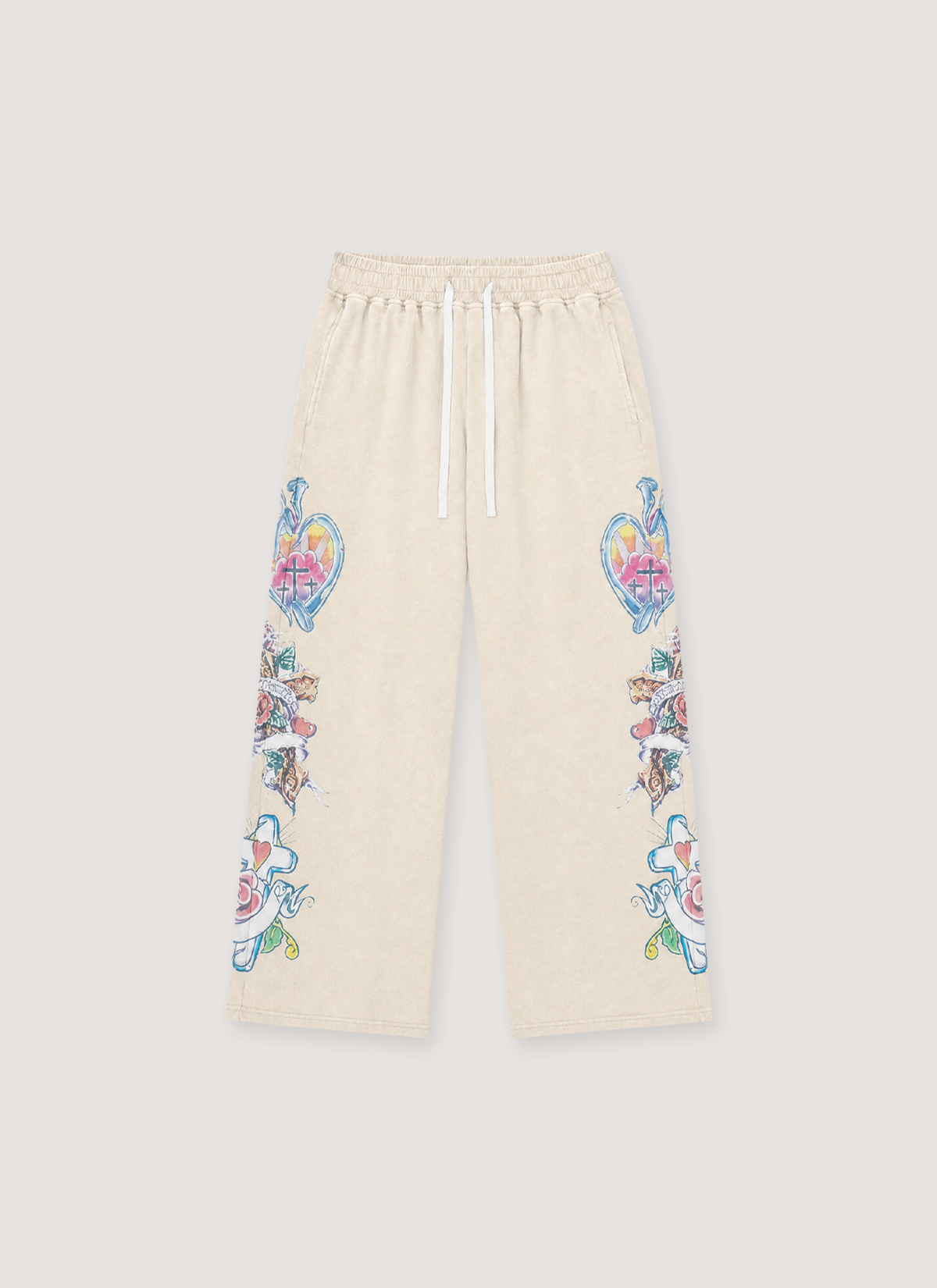
Is We Are Righteous Worth Purchasing in 2026?
Depending on what matters most to a shopper, the truthful response shifts accordingly. If a shopper seeks clothing that visibly conveys one’s faith and sense of self while also reading as modern streetwear, We Are Righteous fills a corner of the market that larger fast-fashion brands typically neglect. Its real distinction isn’t being the cheapest, but a specific aesthetic-message combination made to resonate with a specific audience.
For those ordering for the first time, the smartest move is starting with one piece — often a hoodie or tee — rather than a full wardrobe order. This allows a customer to assess how it fits, feels, and prints firsthand before committing to more. Guidance echoed in numerous trustworthy review discussions backs this up: try the item on a smaller scale, confirm your measurements against the sizing, and closely review current product descriptions, since specifics can change between collections and restocks.
Shoppers who verify current sizing charts, shipping policies, and return terms directly on the site before ordering tend to have the smoothest experience, which honestly holds true for almost any independent clothing brand in 2026, not just this one.
For anyone still deciding, looking over the brand’s most recent item pages as well as customer-facing policies remains the wisest course of action before including a righteous-style hoodie or any other piece to your basket.